


What Play Looks Like in Practice
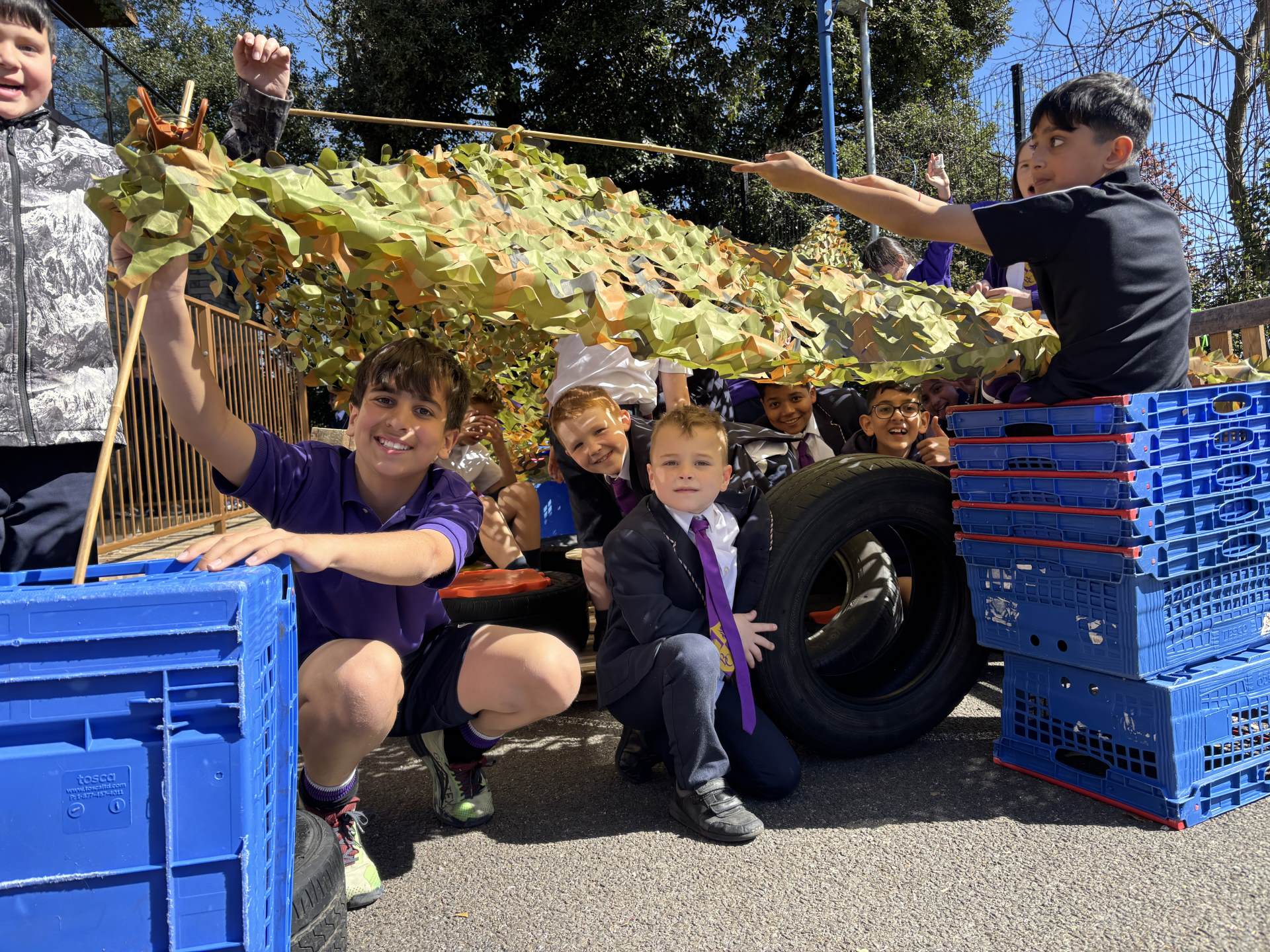
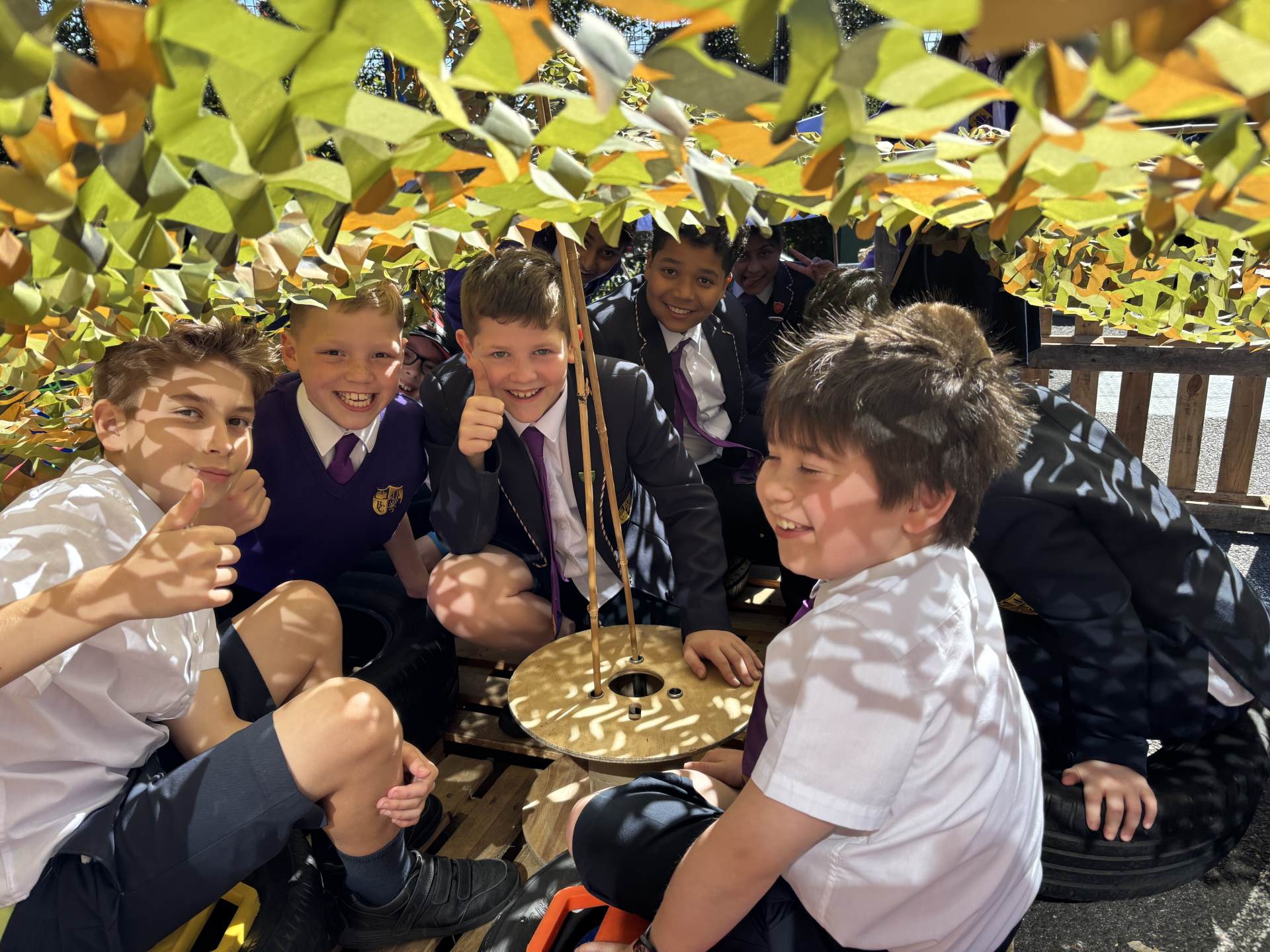
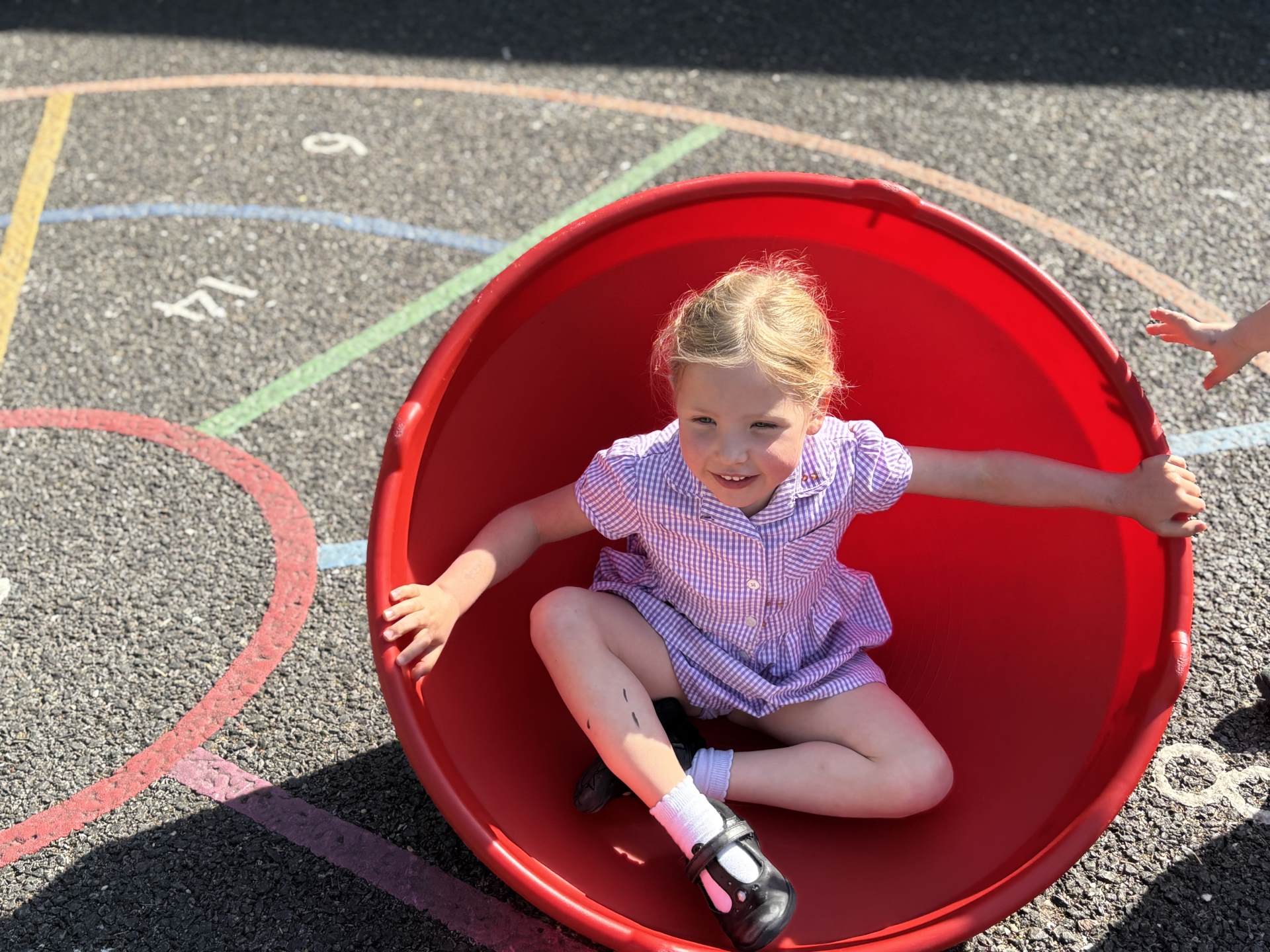
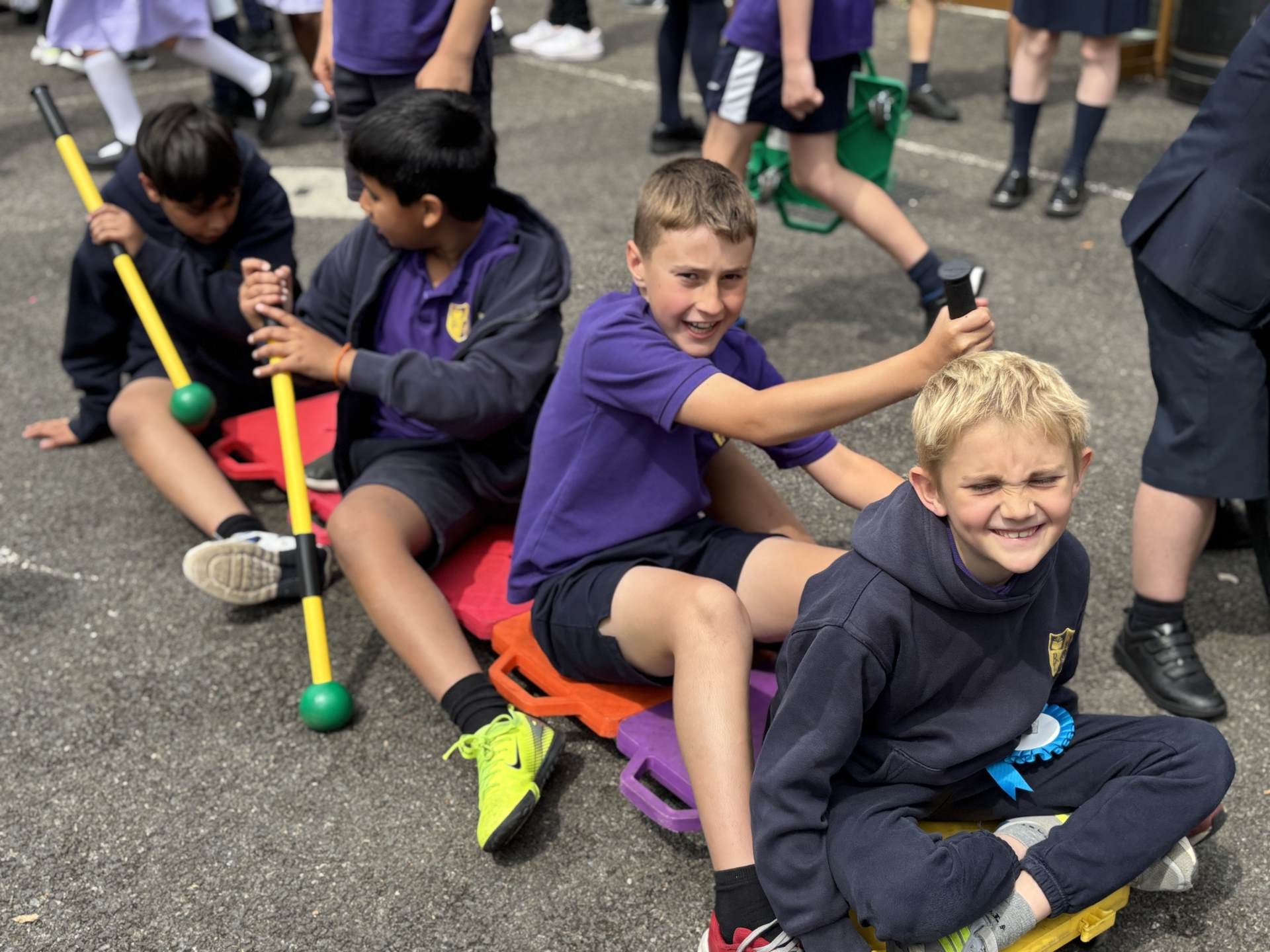
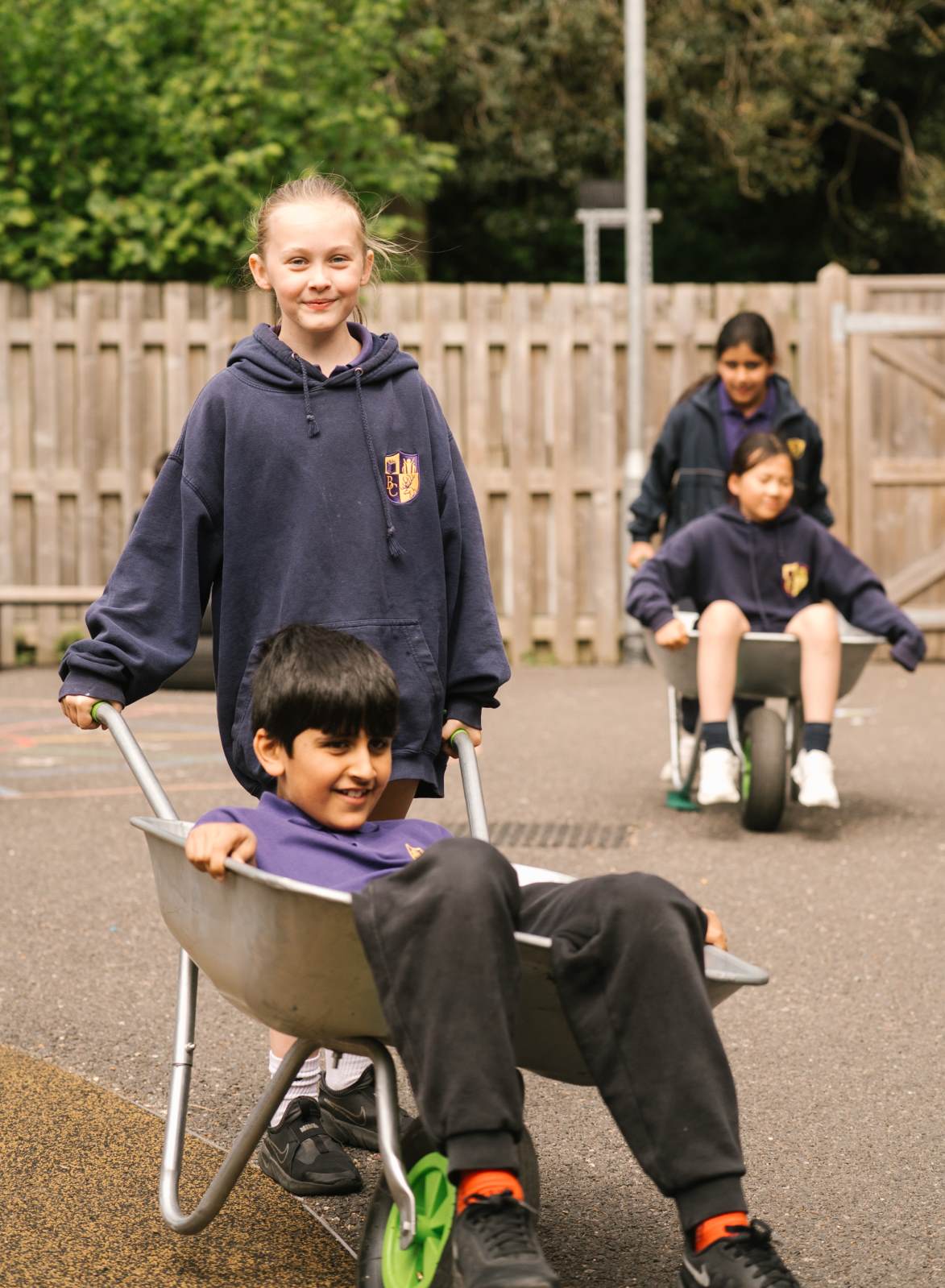
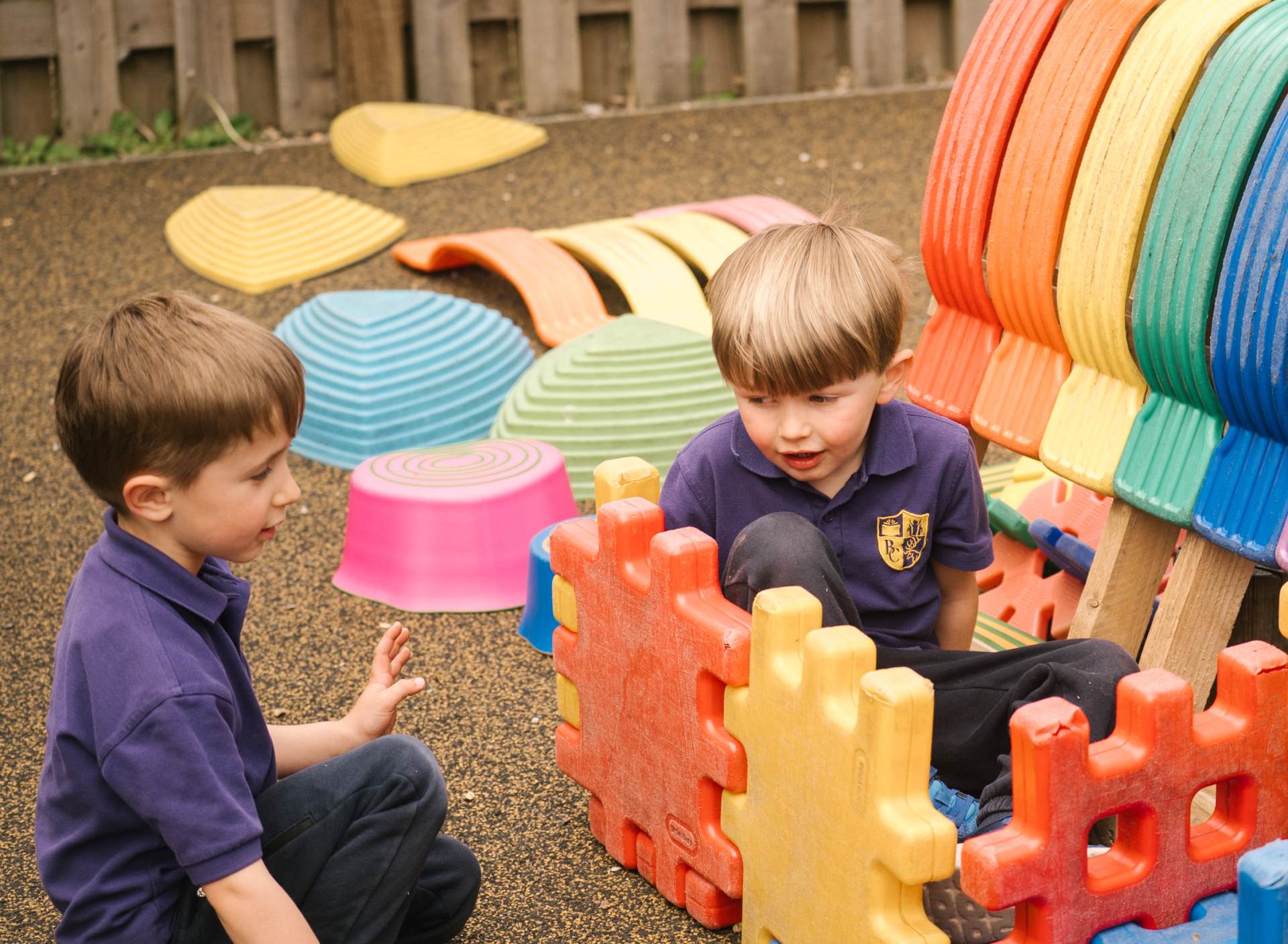
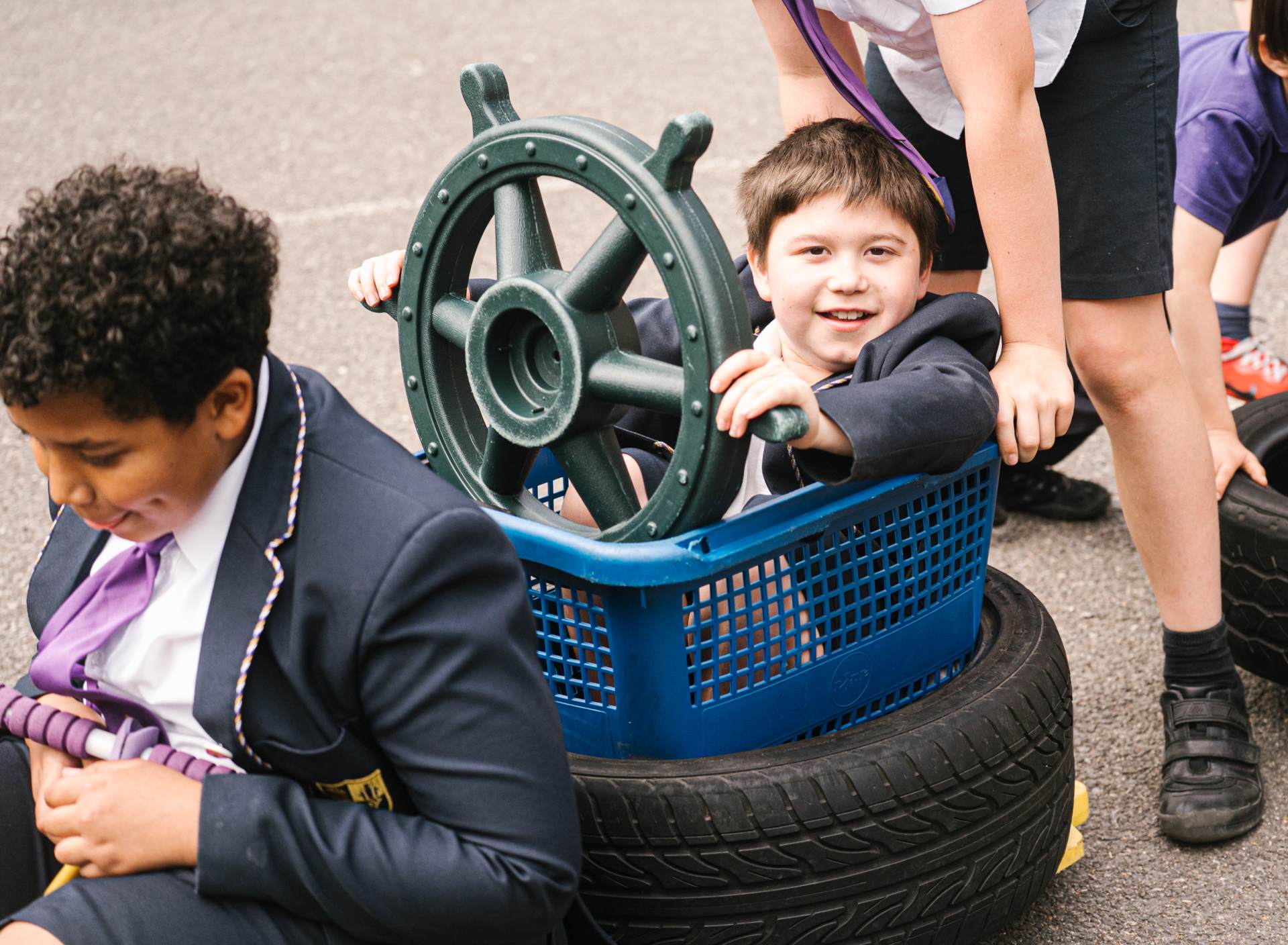
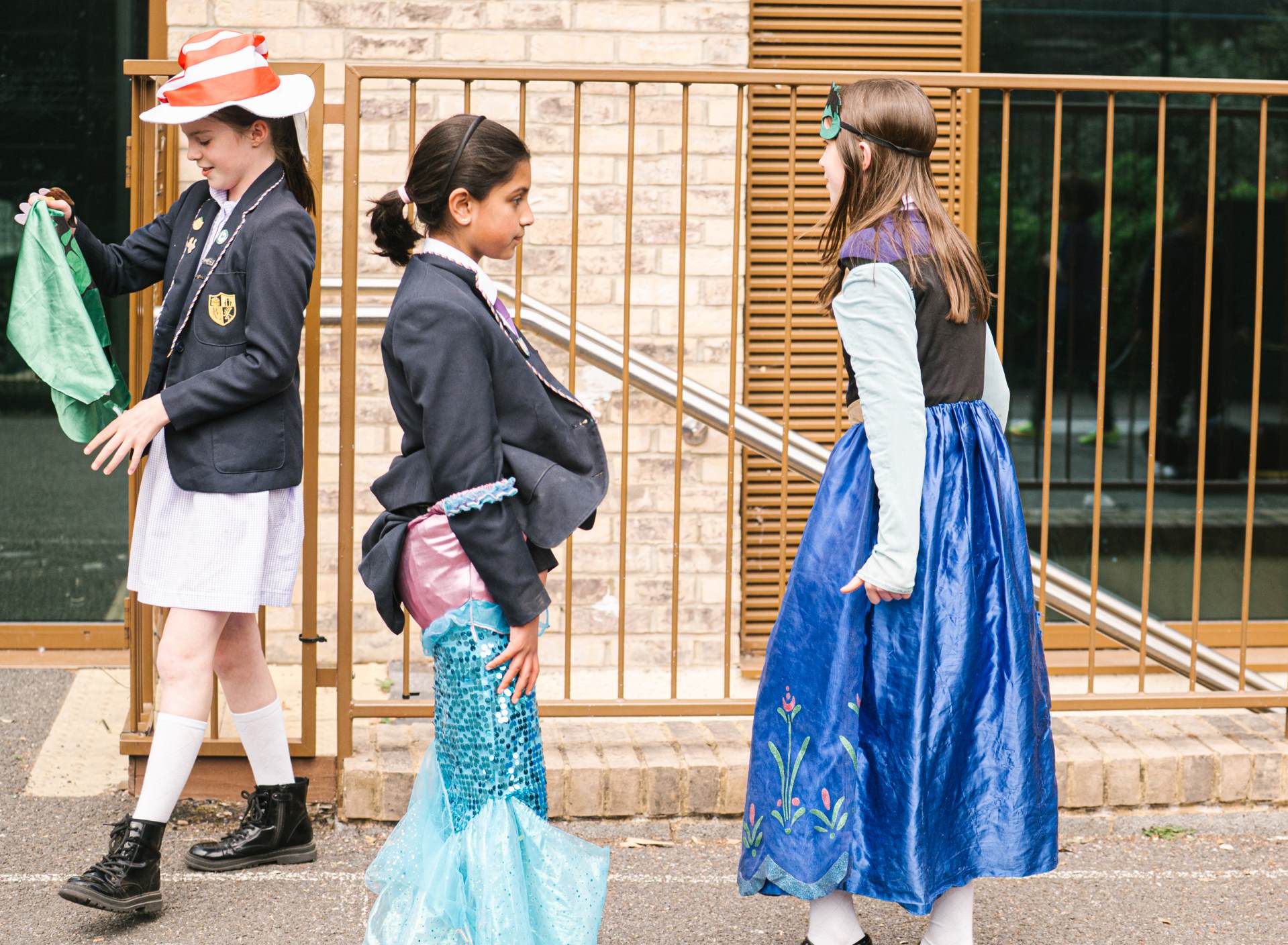
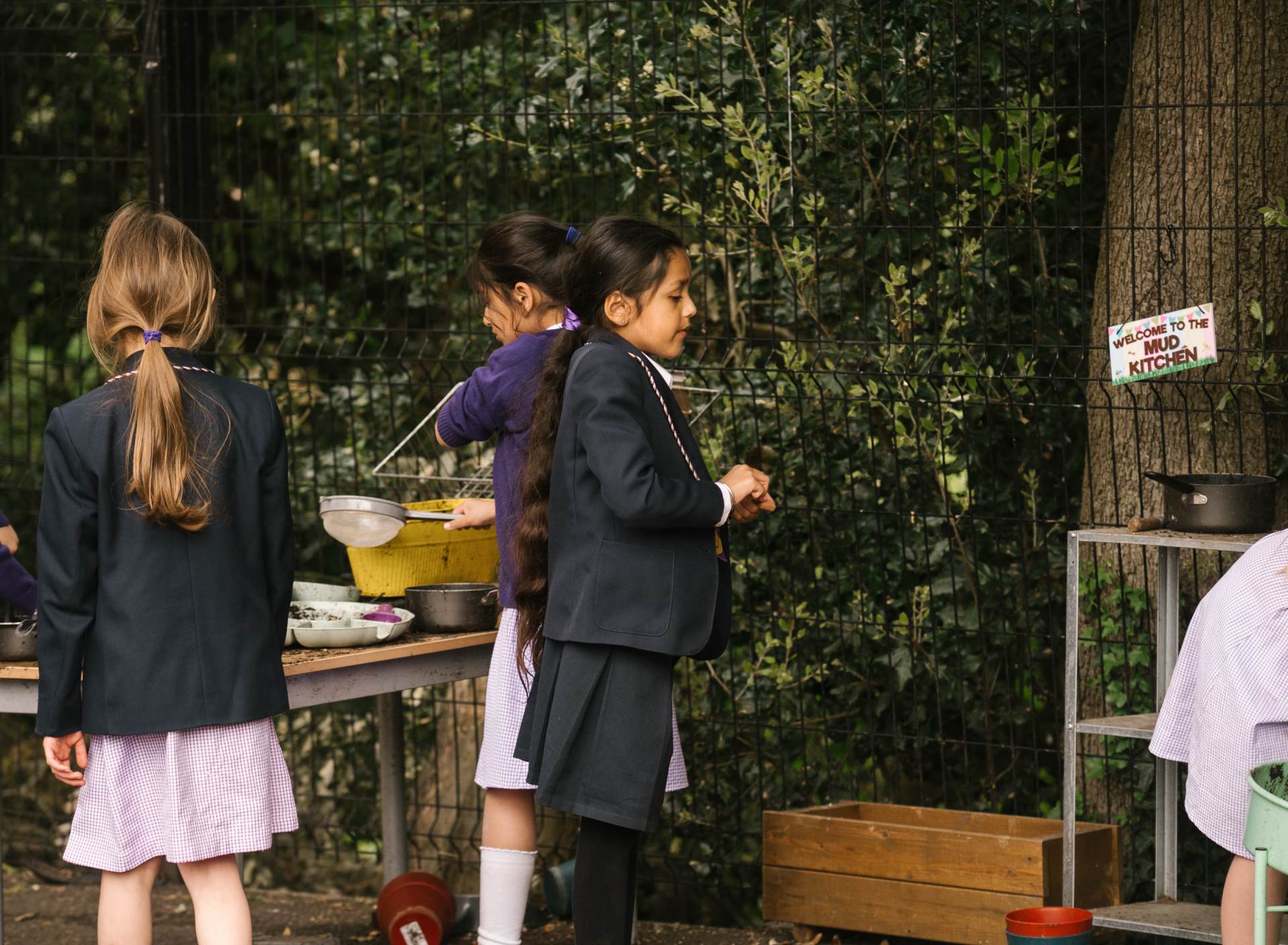
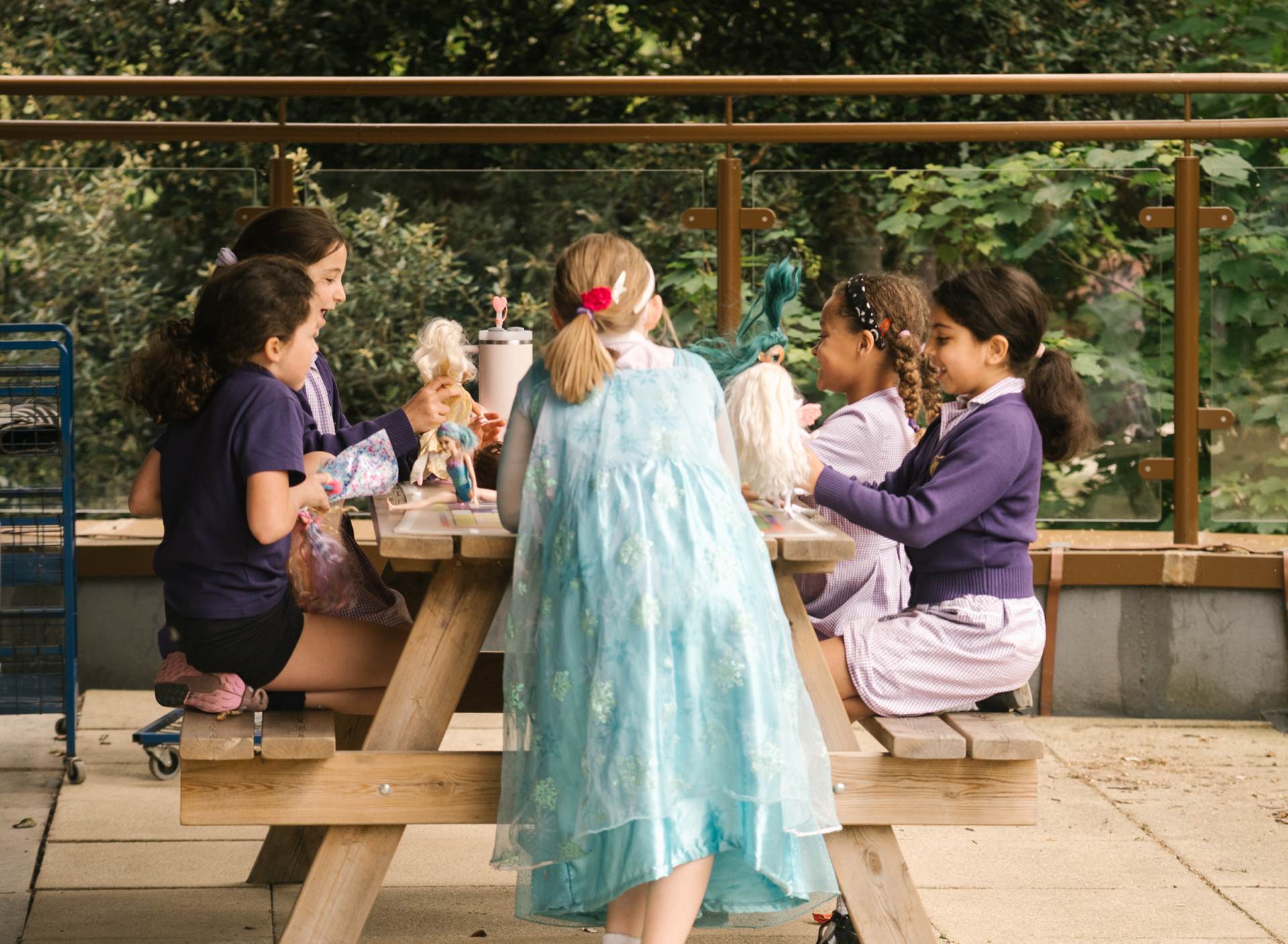
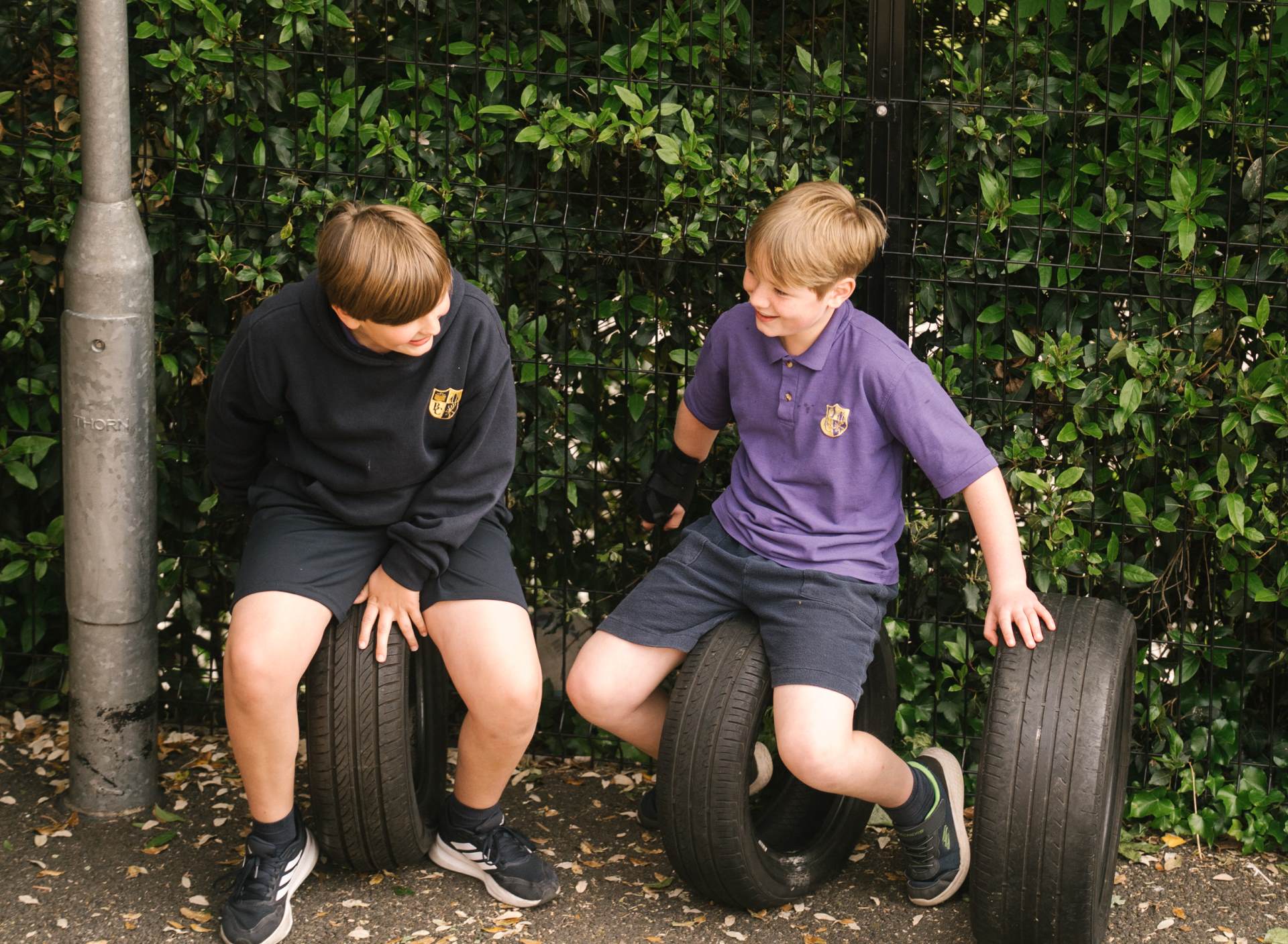
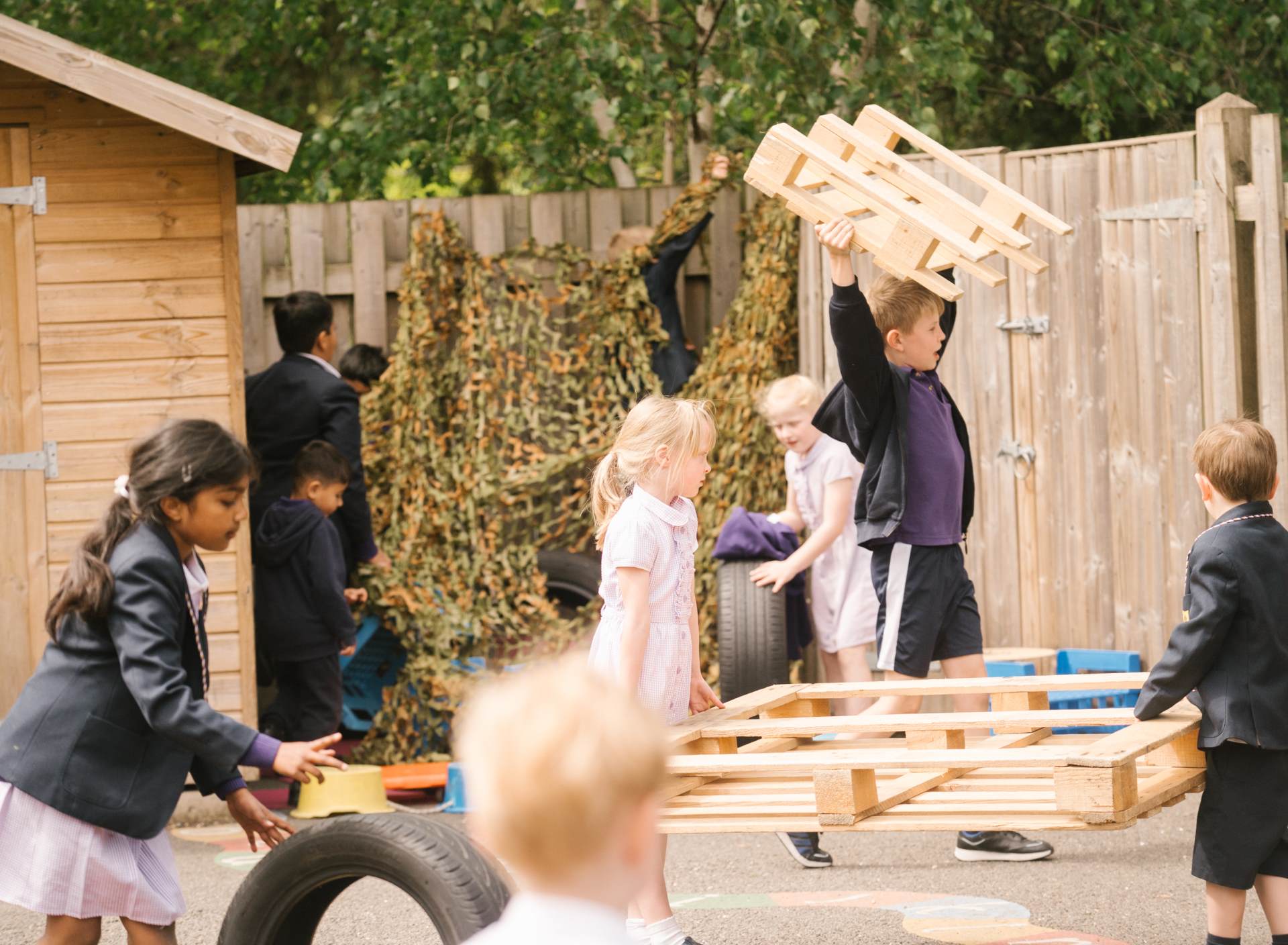
As part of our OPAL approach, playtimes may include:
-
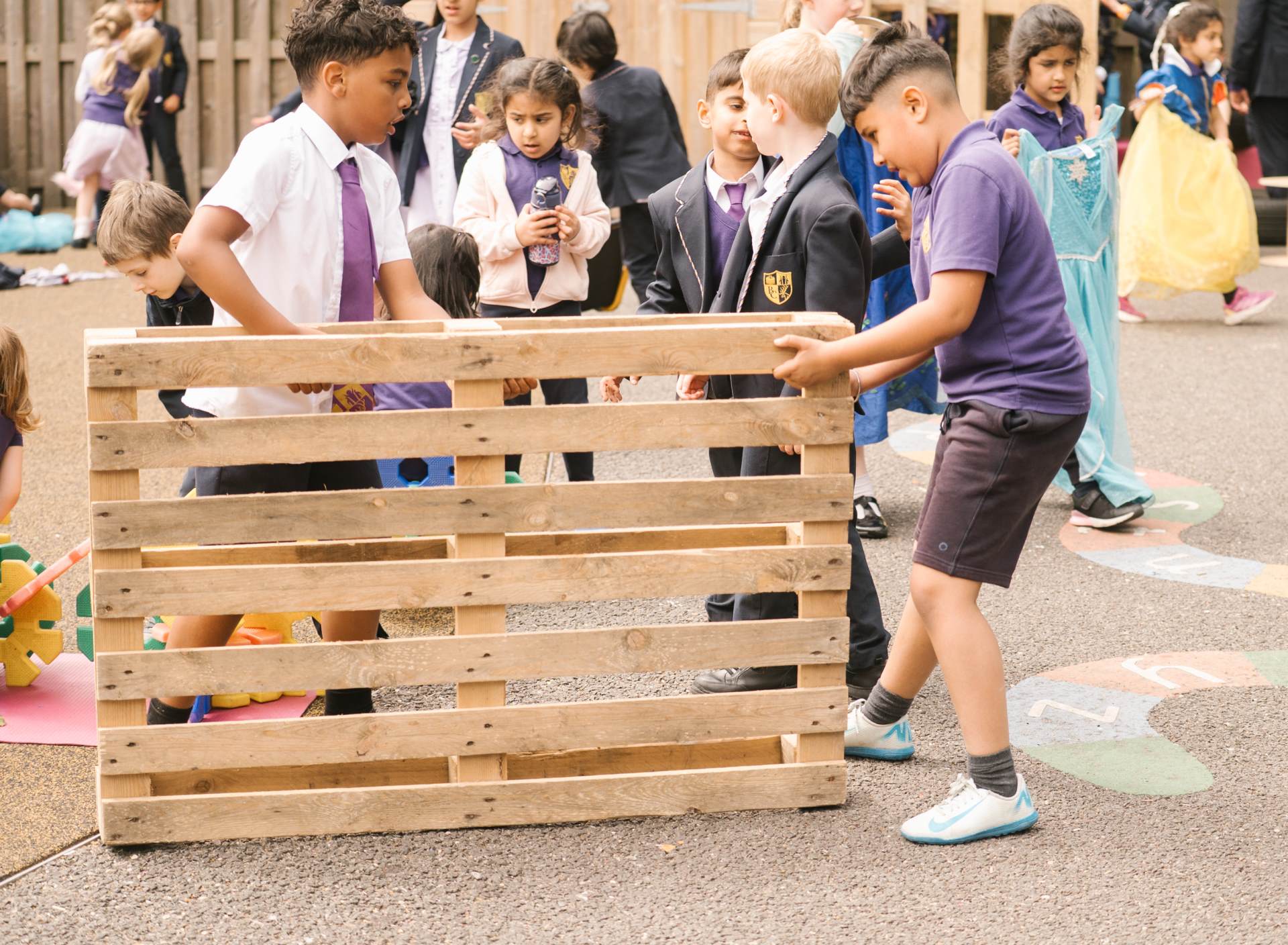
Open-ended resources such as loose parts, natural materials and construction items
-
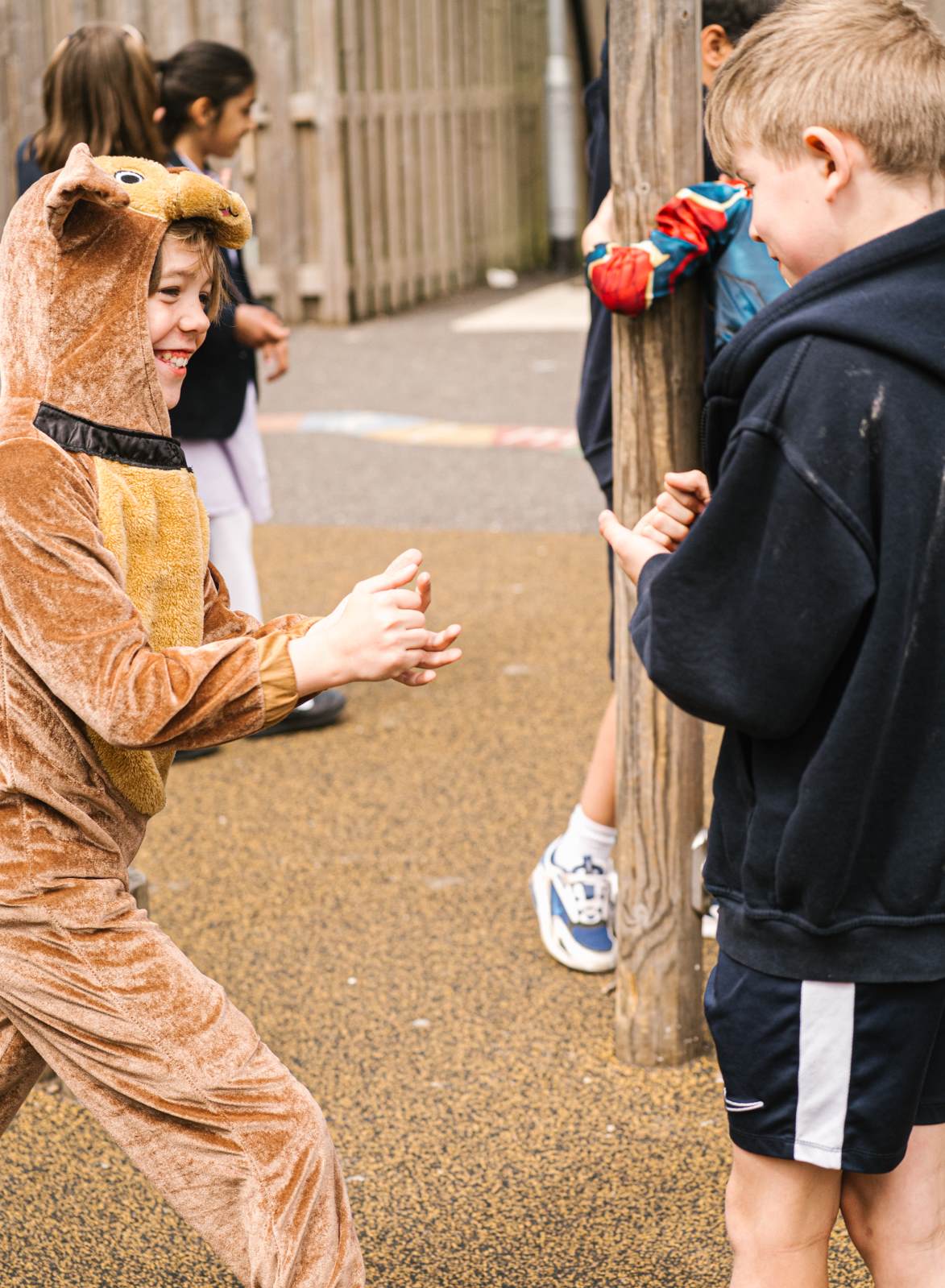
Opportunities for imaginative play, den building, role play and problem-solving
-
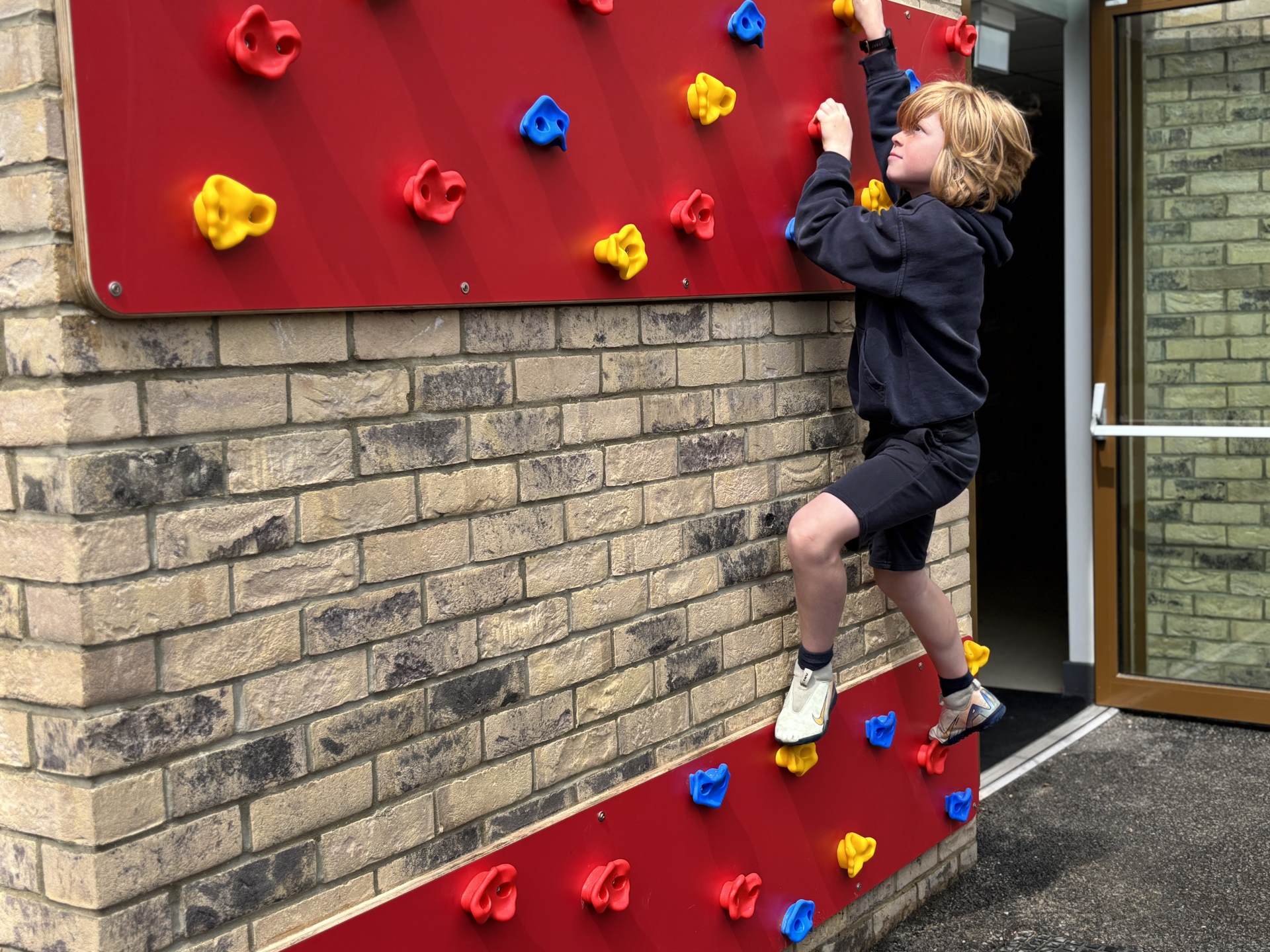
Physical challenges that support strength, balance and coordination
-
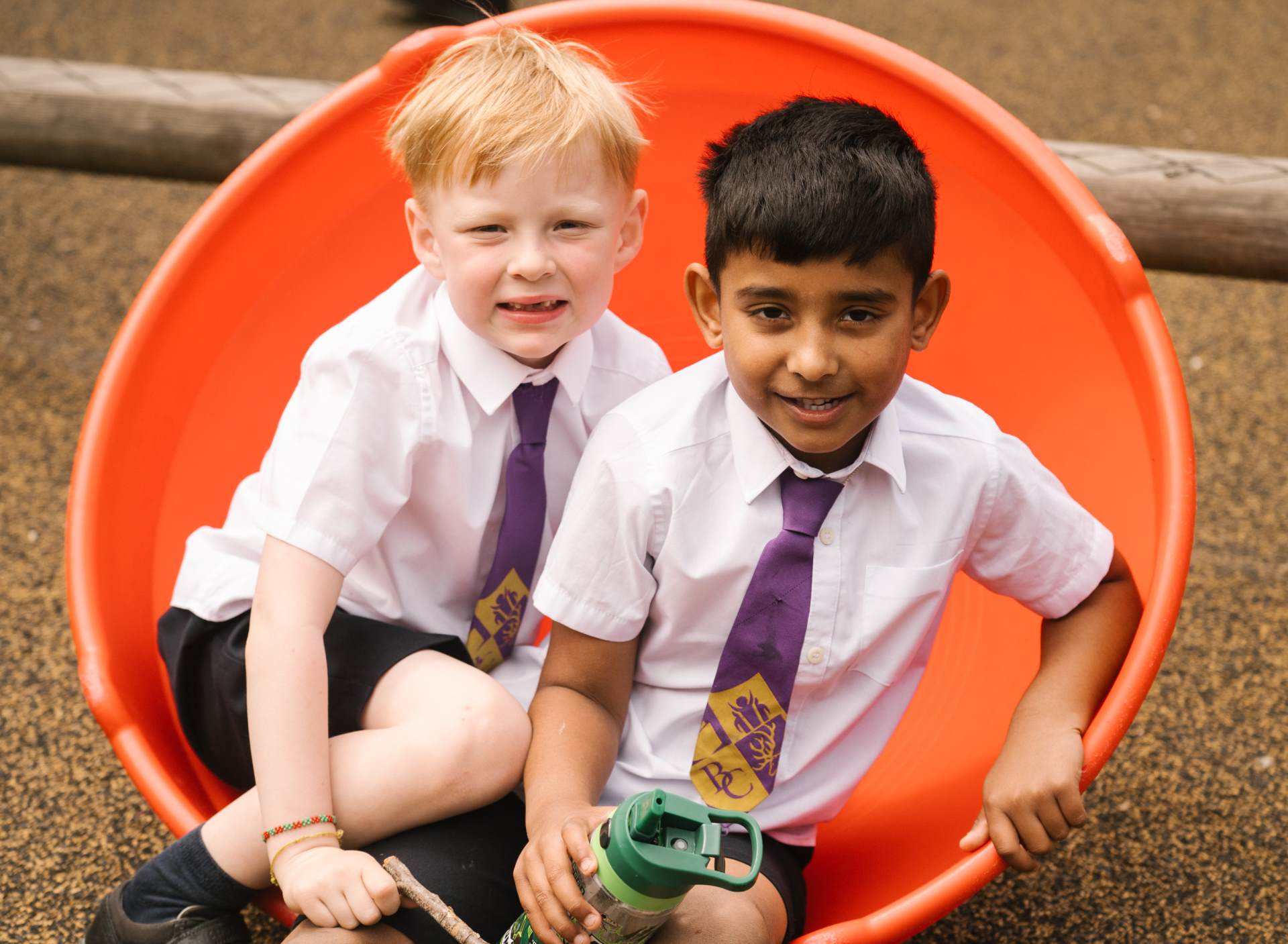
Space for quieter play, reflection and social connection
Children are encouraged to choose how they play, who they play with and how they use the space, helping them develop independence, teamwork and self-confidence.
The Right to Play
We believe every child has the right to play, regardless of age, gender, background or ability.
Our play provision is designed to be inclusive and welcoming, ensuring that all children:
-
Have access to the playground and resources
-
Are supported to play in ways that meet their individual needs
-
Feel valued, respected and able to participate fully
Children with SEND are supported to access play opportunities successfully, with adults working alongside them to ensure play is meaningful, enjoyable and enriching.
Risk, Challenge and Safety
We believe that risk and challenge are an important part of healthy play.
Rather than removing all risk, we take a balanced, common-sense approach that considers both safety and the benefits of challenge. This helps children learn how to:
-
Assess risk
-
Make sensible decisions
-
Build resilience and self-regulation
-
Develop physical and emotional confidence
Play areas and activities are carefully planned and reviewed, with adults supporting children to manage risk in a safe and supportive environment.
Play, Learning and Wellbeing
Rich, high-quality play supports children’s:
-
Physical health and coordination
-
Emotional wellbeing and self-esteem
-
Social skills and communication
-
Readiness to learn in the classroom
We see clear links between positive play experiences and children’s happiness, behaviour and engagement with learning throughout the school day.
Building a Community that Values Play
We value the support of our families in making OPAL successful. Parents and carers can help by:
-
Ensuring children come dressed for outdoor play in all weather
-
Encouraging independence and resilience
-
Talking positively about play and its importance
-
Supporting the school’s OPAL journey when opportunities arise
We are always happy to answer questions and share more about how play supports your child’s development.
Our Ongoing OPAL Journey
Our OPAL journey is continually evolving. We regularly review our play provision by:
-
Listening to children’s views
-
Developing our outdoor spaces and resources
-
Training staff and governors
-
Reflecting on how play supports learning and wellbeing
We are proud of the progress we have made and excited about continuing to develop rich, meaningful play opportunities for all our children.
OPAL